
Plant Care
How Often Should You Water Your Plants?
SN
Sugandha Horticultural Experts
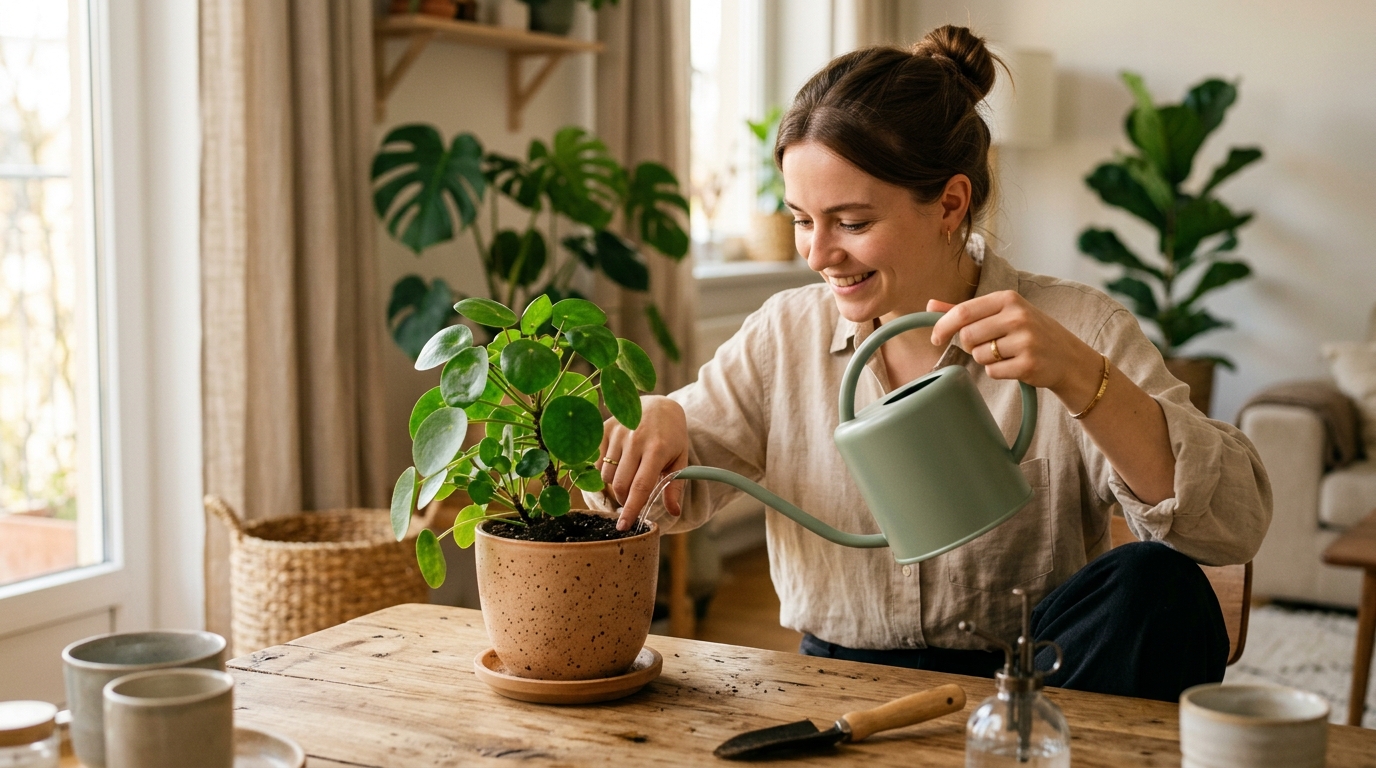
Overwatering is the single most common cause of houseplant distress. Master the knuckle test, seasonal moisture adjustments for Indian summers and monsoons, and drainage best practices.
If there is one universal truth among horticulturists, it is this: far more indoor plants perish from well-intentioned overwatering than from neglect. Understanding how and when to water is the cornerstone of successful gardening.
### Ditch the Calendar Schedule
Watering your plants 'every Sunday' or 'every two days' rarely works. Environmental factors—ambient temperature, relative humidity, pot material, and plant growth stage—dictate how quickly water is consumed. Instead of a fixed calendar, rely on sensory checks.
### The Reliable Knuckle Moisture Test
Insert your index finger approximately one to two inches deep into the potting mix.
- **Feels Cool & Moist with Soil Clinging:** Do not water. The root zone still has ample moisture.
- **Feels Warm, Dry, & Crumbly:** It is time to water thoroughly.
- **Terracotta Visual Check:** Unglazed terracotta pots absorb moisture and become darker when wet; when the pot exterior lightens, the soil is drying out.
### Seasonal Adjustments in Indian Climates
- **Peak Summer (April – June):** High evaporation rates and active growth mean outdoor containers and balcony plants may need daily morning watering. Indoor plants will typically require hydration twice a week.
- **Monsoon Season (July – September):** High ambient humidity significantly slows down soil evaporation. Drastically reduce watering frequency and ensure outdoor pots do not collect stagnant rainwater in their saucers.
- **Winter (November – February):** Many plants enter semi-dormancy and consume far less moisture. Water sparingly, waiting until the top 2-3 inches of soil are dry.
### The Proper Way to Water
When you water, water deeply until you see moisture seeping out from the pot's drainage holes. This guarantees the lower root zone receives moisture and flushes out built-up mineral salts. Discard any standing water collected in the saucer after 20 minutes.