
Soil & Nutrition
How to Prepare Healthy Soil for Plants
SN
Sugandha Horticultural Experts
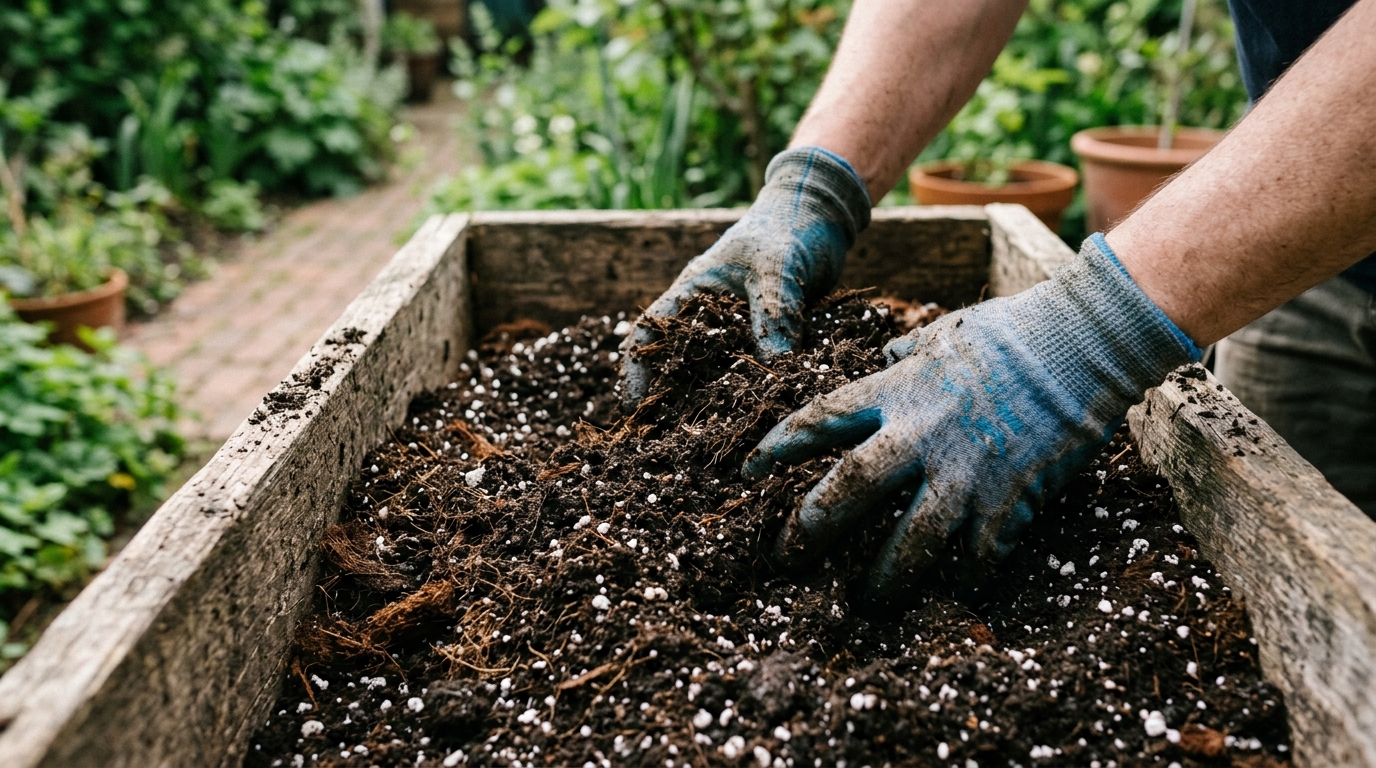
Great gardening begins underground. Learn how to formulate the perfect potting mix using red garden soil, coco peat, vermicompost, perlite, and organic neem cake.
Healthy root systems are the biological foundation of flourishing nursery plants. Digging up dense backyard dirt or hard clay directly into a container almost always results in compacted, waterlogged soil that suffocates roots. Here is the golden formula used by expert nursery growers for vibrant potted plants.
### The Ideal Potting Media Ratio
For most flowering perennials, indoor foliage, and potted shrubs, use this time-tested balanced ratio by volume:
- **40% Base Media (Garden Soil + Washed Coco Peat):**
A 50/50 blend of sifted loamy red or black garden soil and soaked, washed coco peat. Coco peat creates exceptional moisture retention without becoming heavy or dense.
- **30% Organic Compost (Vermicompost or Well-Aged Cow Manure):**
Provides slow-release nitrogen, phosphorus, potassium, and beneficial soil microbes essential for nutrient uptake.
- **20% Drainage & Aeration Material (Perlite, Coarse River Sand, or Rice Husk):**
Ensures the soil remains loose, oxygenated, and allows excess water to drain within seconds of watering.
- **10% Organic Soil Conditioners (Neem Khali / Neem Cake Powder + Bone Meal):**
Neem cake acts as a natural systemic nematicide and antifungal agent, shielding roots from fungal root rot while deterring subterranean grubs.
### Mixing and Preparation Steps
1. **Hydrate & Rinse Coco Peat:** If using compressed coco peat blocks, soak in fresh water and rinse twice to wash away residual sodium salts.
2. **Sift Garden Soil:** Remove large stones, twigs, and hard clay clods to create a uniform, crumbly consistency.
3. **Blend Thoroughly:** Spread all components in a wide trough or clean tarpaulin sheet. Mix thoroughly until color and texture are uniform throughout.
4. **Moisture Check:** Squeeze a handful of the mixed potting soil in your palm. It should form a gentle clump that easily crumbles apart when touched with a finger. If it oozes water, it is too wet; if it cannot hold any shape, it requires a touch more organic matter.
Using this rich, aerated potting substrate guarantees your plant roots have room to expand freely and breathe without the risk of stagnant waterlogging.