
Indoor Gardening
How to Choose the Right Indoor Plants for Your Home
SN
Sugandha Horticultural Experts
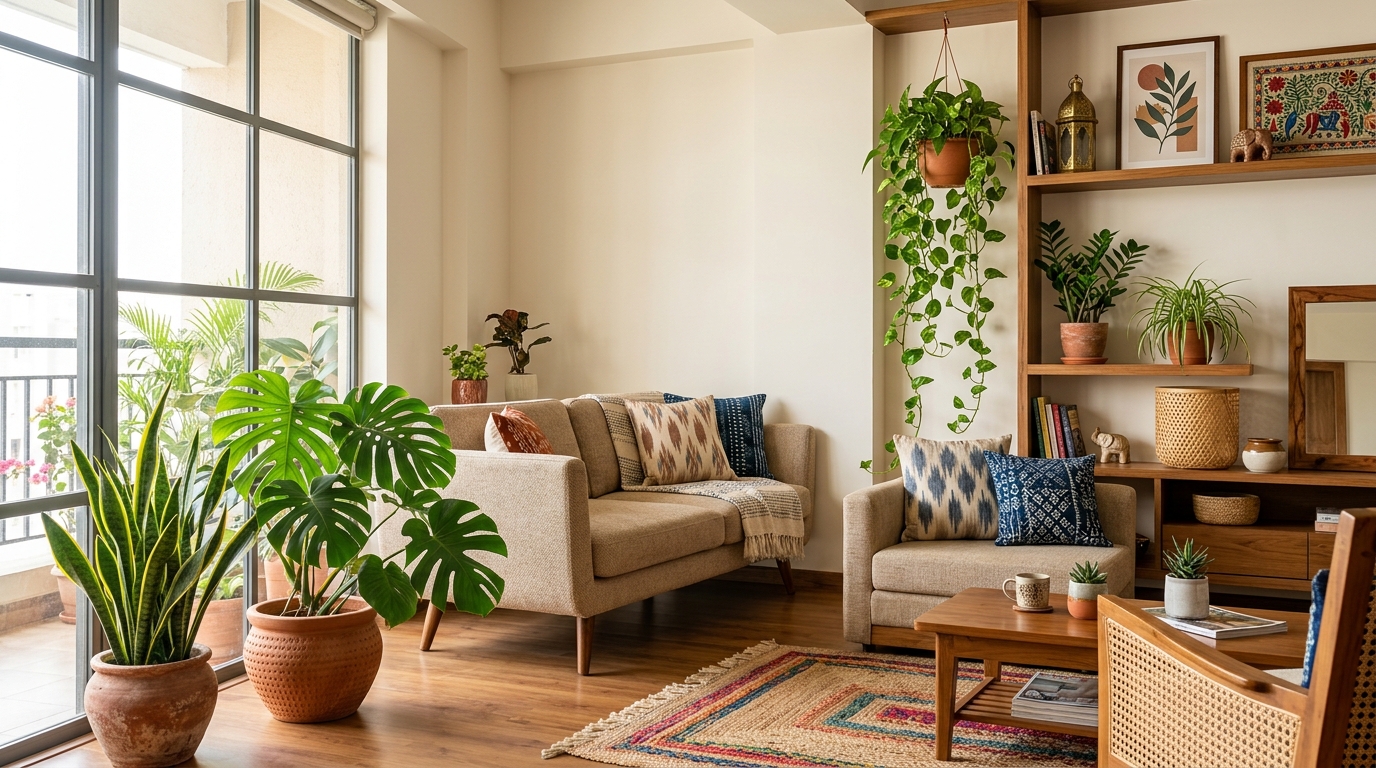
Selecting the ideal houseplants depends on natural light exposure, humidity levels, and daily routine. Learn how to match plants like Snake Plants, Pothos, and ZZ Plants with your home spaces.
Bringing green life into your living spaces is one of the most rewarding home improvements you can undertake. However, many beginners make the mistake of buying plants purely based on aesthetics without considering the micro-climates inside their homes.
### 1. Assess Your Natural Light Exposure
Every room in your home receives different levels of solar illumination throughout the day:
- **Low Light / North-Facing Rooms:** Spaces with small windows or indirect northern light are perfect for shade-tolerant champions like the ZZ Plant (Zamioculcas zamiifolia), Cast Iron Plant, and Snake Plant (Sansevieria). These species have dark green, thick leaves that efficiently photosynthesize in subdued environments.
- **Medium / Filtered Light:** East-facing rooms that catch soft morning sun are ideal for Monstera Deliciosa, Golden Pothos, Boston Ferns, and Philodendrons.
- **Bright Indirect to Direct Light:** South or west-facing windows that stay bathed in bright rays all afternoon are best suited for succulents, Jade plants, Fiddle Leaf Figs, and blooming Hibiscus.
### 2. Match Plants to Your Lifestyle and Travel Schedule
Be honest with your daily availability. If you travel frequently or tend to forget watering, choose drought-tolerant foliage that thrives on neglect. Snake plants and ZZ plants can comfortably go two to three weeks without water during moderate weather. Conversely, if you enjoy daily plant interaction, moisture-loving specimens like Fittonia (Nerve Plant) or Peace Lily will happily welcome your frequent attention.
### 3. Consider Temperature and Air Conditioning
In Indian metropolitan homes, air conditioners in the peak of summer and heaters in winter create dry, circulating airflow. Keep sensitive broad-leaf tropicals away from direct air-conditioner vents to prevent sudden leaf drop and brown margins.
By carefully pairing each plant species to your home's unique light and environment, your indoor urban jungle will remain healthy, vibrant, and effortlessly green.